














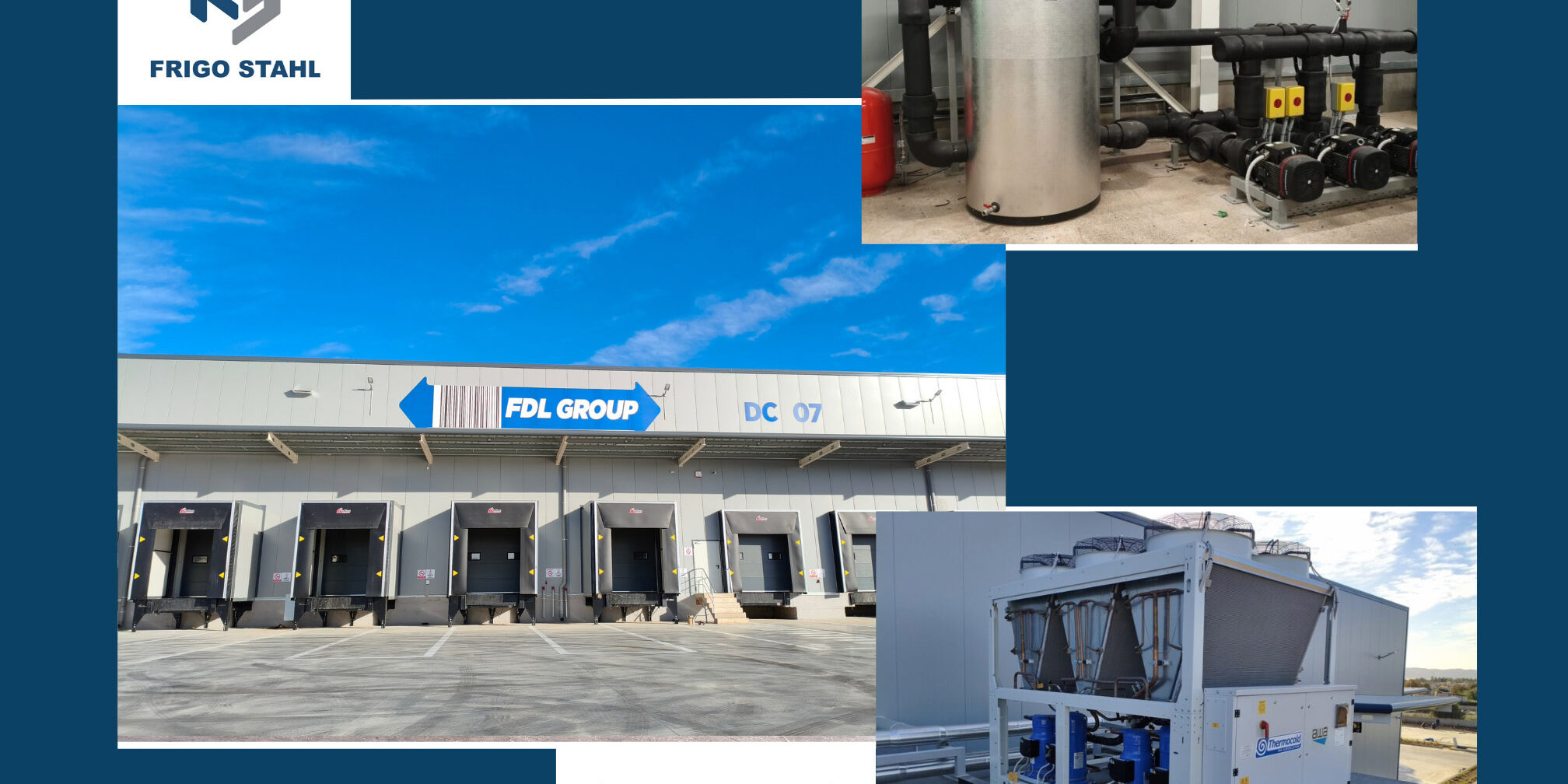
Controlled 18-20°C Temperature in Modern Logistics
Supply chains are not defined solely by flows, lead times, and accuracy. They are also shaped by the conditions in which products are stored and handled – particularly in operations that demand stable temperatures, minimal losses, and strict compliance. In this context, we delivered a warehouse air-conditioning project for FOODLINK / FDL GROUP in Aspropyrgos Industrial Area, engineered to ensure operational stability and improved energy performance.
The business requirement: stability, performance, compliance
The mission was straightforward: maintain a consistent 18-20°C environment, limit energy losses, and meet EU environmental requirements.
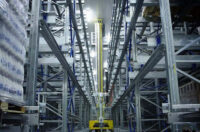
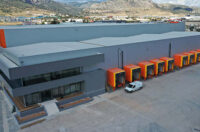
This was achieved within a new, climate-controlled facility spanning 6,420 sq.m., structured into two independent zones to accommodate different operating needs.
FOODLINK operates in a sector where quality and safety are non-negotiable. FDL Group clearly states that it applies management systems aligned with recognised standards such as ISO 9001:2015 and ISO 22000:2018, supported by structured warehousing and distribution procedures.
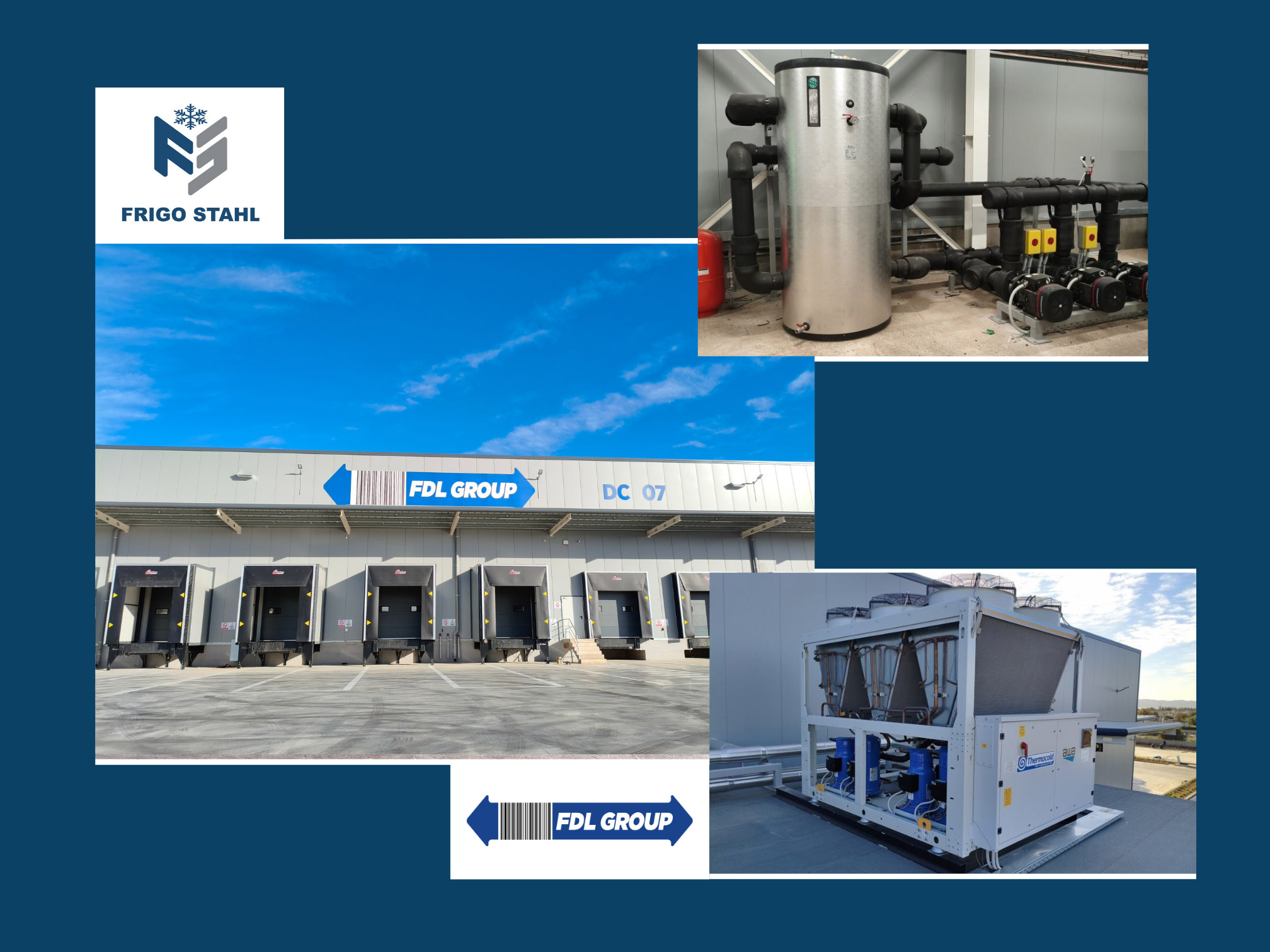
The solution we implemented: two zones, one reliability mindset
We designed and installed a 600 kWr system comprising two THERMOCOLD glycol chillers (310 kWr each), sequential control logic, a 1,500-litre buffer tank, GRUNDFOS pumps, and 24 heavy-duty GUENTNER air coolers (8 + 16 per zone).
The choice of a low-GWP refrigerant and a targeted energy saving of up to 25% reflect a practical approach to greener logistics infrastructure.
Green transition delivered, beyond messaging
For us, sustainability is measured in results: higher efficiency, a reduced environmental footprint, and technical decisions built for long-term performance. The project aligns with broader Green Transition priorities, referencing the Green Deal and Greece’s National Energy and Climate Plan (NECP), as outlined in the project brief.
Christos Firtinidis commented: “Our aim was to deliver a solution that performs reliably every day, stable temperatures, operational flexibility, and efficiency, with no compromise on dependability.”
Overall, this project demonstrates how engineering precision can translate into direct operational value: improved storage conditions, more predictable performance, and lower energy costs.